


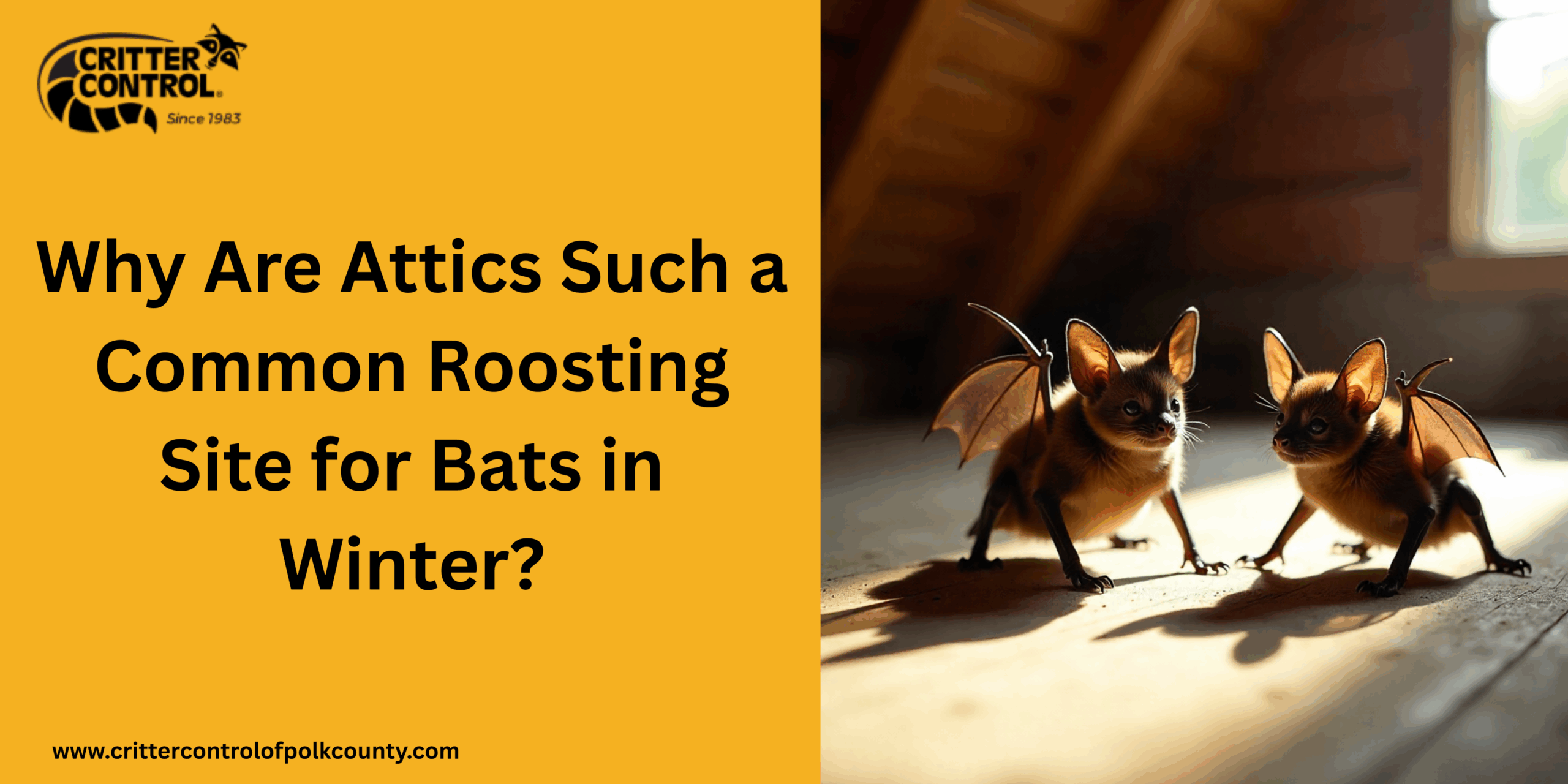
As the temperatures drop and winter approaches, numerous residents witness a rise in wildlife activity on their properties. One of the most common, yet most overlooked, visitors may be the bat. While bats play an essential role in keeping insect populations in check, they become unwanted when they decide to roost within attics. Understanding why attics are such appealing locations for bats and how to handle an infestation safely is crucial in keeping your residence secure and your health sound.
Why Bats Inhabit Attics in Winter?
1. Shelter and Heat
Bats are cold-sensitive and need secure, protected areas in which to ride out the winter. In the wild, they tend to hibernate in caves, hollowed-out trees, or rock crevices. In cities, though, such natural spots are often unavailable. Attics are next best as the perfect substitute, offering insulation, heat, and protection from wind and rain.
Even minor openings in vents, soffits, or rooflines provide easy entry for bats. Once within, a colony of bats will be hidden for weeks, not discovered until homeowners realize there is droppings, smell, or noise at night.
2. Quiet, Undisturbed Spaces
Bats prefer hiding in a place where they will not be bothered by humans during the day. Attics are ideal because they tend to be rarely entered by people. The calm environment allows bats to rest during the day as they conserve energy for nighttime activities.
This is only one of the reasons why bat removal is typically needed during winter. Homeowners may begin to hear fluttering and/or scratching noises and discover that they have an uninvited guest in the attic.
3. Stable Temperatures for Hibernation
Bats go into a torpor phase during inclement weather, lowering body temperature and metabolism to conserve energy. To function, though, they need a stable environment. Attics provide a uniform temperature and protection from moisture and are thus ideal winter roosting.
Why Bat Infestations Can Be Hazardous?

Even though bats are important to the ecosystem, having them within your home is hazardous.
Health Risks
Bat droppings, or guano, accumulate quickly in attics. Guano may carry a fungus that causes histoplasmosis, an infection of the respiratory tract. Rabies is also carried by bats, so handling the animals can be dangerous.
Property Damage
The guano weakens insulation, wood, and other materials with the passage of time. The odor of droppings is also pungent and will infuse your house if left untreated on time.
Noise and Odor
Nighttime squeaking, fluttering, or scratching sounds typically indicate bat infestation to homeowners. Accumulation of guano produces a strong, ammonia-smelling odor, which is a sign of immediate attention. In such cases, emergency bat removal is typically the safest and best solution.
Signs of a Bat Infestation
Early detection is the key to preventing costly damage. Watch for the following signs:
- Fluttering or scratching sounds in the attic at dusk or dawn.
- Droppings at entry points or along walls.
- Dark oil or guano stains on attic surfaces.
- Pungent musty odors.
If any of these indications are noticed, it’s advisable to hire a professional bat removal expert.
Safe and Effective Bat Removal
Bats are safeguarded in most places, such as Florida. They should not be removed by untrained personnel because it may injure the animals and cause more issues for homeowners. Professional bat removal includes the following procedures:
- Inspection: Professionals identify entry points and estimate the size of the colony.
- Exclusion: One-way devices permit bats to exit but don’t allow them to re-enter.
- Cleanup: Guano is removed securely, and contaminated areas are decontaminated.
- Sealing: Entry points are sealed permanently to avoid future infestations.
This approach ensures the colony is safely extracted and the house is secure for residents.
The Importance of Professional Help
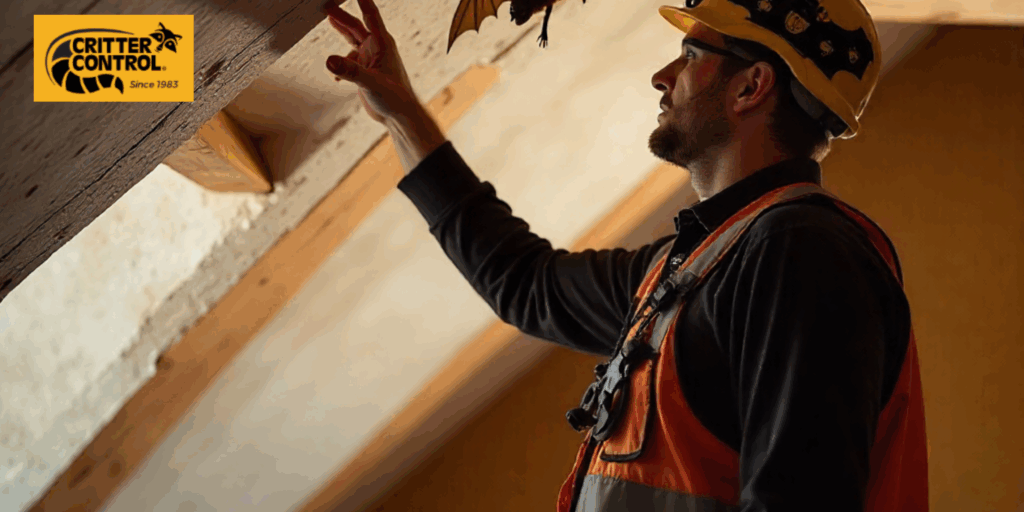
Homeowner bat removal is typically dangerous and ineffective. Bats wedge into small openings, and there are more than one entry point that needs to be left open for reinfestation. Licensed professionals who deal in emergency bat removal have the training, equipment, and skill to effectively and safely address infestations.
For locals in Central Florida, particularly individuals searching for bat removal in Haines City or bat removal in Lake Wales, working with a local professional ensures the removal is accomplished effectively and in line with state wildlife regulations. Local professionals are also knowledgeable about the bats found in the area and how they typically act at specific times of year.
Preventing Future Infestations
Once the bats are safely removed, prevention is the name of the game:
- Seal Entry Points: Inspect roofs, vents, chimneys, and soffits for openings.
- Install Screens: Screen openings and vents with mesh or screening.
- Control Outdoor Lighting: Outside lights are an attractant to insects, which attract bats.
- Routine Inspections: Annual inspections allow early identification of possible problems before they can become serious.
Final Thoughts
Attics provide bats with the heat, refuge, and cover they need when it is cold. While these animals are beneficial outdoors, in your home they can be dangerous to health and even damage property.
Addressing an infestation before it gets worse using professional bat removal or emergency bat removal is the safest course of action. Lake Wales and Haines City residents can rely on a local expert to render the procedure humane, effective, and in compliance with wildlife regulations.
Homeowners can protect their property, guarantee a safe environment, and co-exist responsibly with these precious creatures if done appropriately.