




Rats are the small and fast moving creatures that are usually found near garbage. These can not only just be unwanted guests, these can also be the stealthy and destructive invaders that can quietly wreak havoc on your home from the inside out. Such a small and clever creatures can eat weirs, tear clothes, and can cause diseases that are dangerous. Have they invaded your home as well? Don’t worry, as here, you’ll learn about how to stop them in their tracks.
How Rats Sneak Into Your Home Without You Noticing?
When it comes to invading your home, then rats are master infiltrators. With their flexible bones and nimble bodies, they can squeeze through gaps as small as 15mm, which is barely larger than a coin. They even climb brick walls like expert mountaineers, skitter through pipes, and leap from tree limbs to rooftops like acrobats in the night.
They typically enter:
- Under garage doors, where rubber seals are worn
- Through cracks in foundations
- Along utility lines and plumbing gaps
- Via uncapped chimneys or attic vents
What makes them even more elusive is their timing—rats are nocturnal. While you sleep, they silently explore your walls, nesting behind insulation, gnawing through plastic and wood, and building hidden colonies that grow unchecked.
Expert Insight: Use a mirror and flashlight to check dark corners around your home’s base, inside cabinets, behind appliances, and along pipes. If you find even the smallest opening, you’ve likely found a door they’ve been using for weeks.
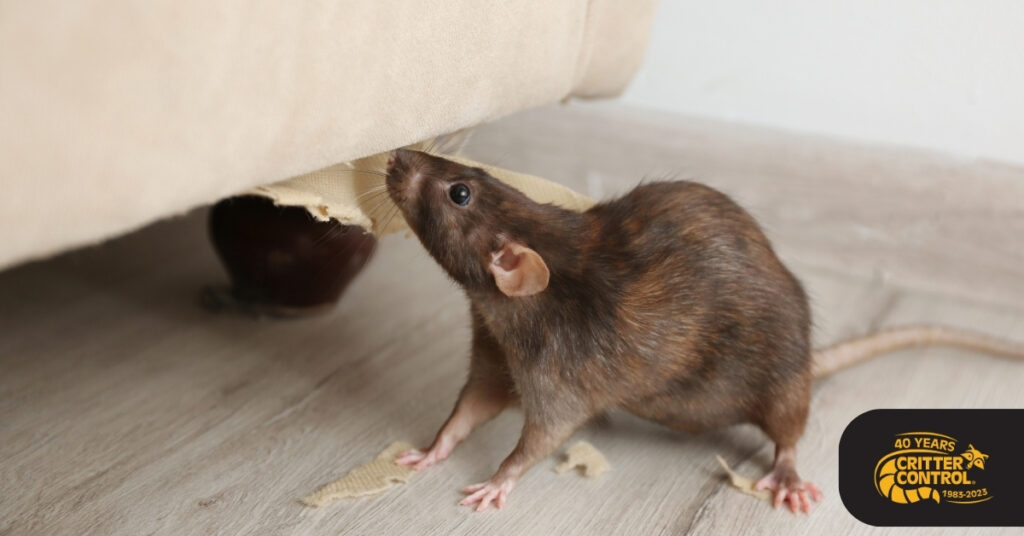
The Hidden Clues That Mean Rats Are Already Inside
Do you wish to know about the hidden clues that may mean that rats are already inside your home? If yes, then:
Watch for:
- Droppings – Look for Small, shiny black pellets, especially near food or in hidden corners.
- Gnaw marks: Always look for jagged bite marks on baseboards, cords, or food containers.
- Grease smears: Look for oily, dark trails on walls or floorboards where their fur brushes regularly.
- Noises: Soft thumping, rustling, or squeaking sounds—especially at night in ceilings or walls.
- Nests: Shredded paper, fabric, or insulation balled up in quiet corners.
And then there’s the smell—a sharp, musky odor that grows stronger over time. It’s the smell of rat urine, nesting materials, and waste mixing in the air. If you walk into a room and instinctively wrinkle your nose, it’s time to investigate further.
Why Food Storage Mistakes Are Inviting Rats In?
For a rat, your kitchen is a buffet. Yes, literally a buffet. They can smell food through plastic, detect sugar from a room away, and remember exactly where they found a tasty crumb last time.
Many infestations begin because of simple oversights:
- Pet food left out overnight
- Crumbs under the fridge or stove
- Unsealed cereal, rice, or pasta in paper or soft plastic bags
- Open garbage bins or compost with loose lids
- Fruit bowls sitting out for days
Rats don’t just snack—they hoard. They’ll carry food back to their nests to feed a growing colony. And once they’ve identified your home as a reliable food source, they’ll keep coming back—and bring friends.
Expert Tip: Keep your pantry pristine. Transfer all food into airtight, rodent-proof containers, and clean shelves often. Don’t forget your pet’s food and water—rats are more than happy to steal from the dog bowl.
Sealing Entry Points Like a Pro – What the Experts Recommend
After being aware of how rats sneak in, the hidden clues to check for, and storage mistakes to avoid, it’s time to seal the entry points.
Rat-proofing your home starts with one mission: deny them entry at every turn. But here’s what most people don’t realize—rats are relentless. If they sense warmth, food, or shelter inside, they’ll test every crack, chew through weak spots, and exploit anything less than steel.
Expert-recommended materials:
- Steel wool packed into holes, then sealed with caulk—rats hate the texture
- ¼-inch hardware cloth over vents, crawlspaces, and soffits
- Metal flashing around baseboards, door bottoms, and vulnerable edges
- Rodent-grade sealants and weather stripping for door sweeps and windows
Don’t forget your roof. Rats are excellent climbers. Overhanging branches, ivy, and even downspouts act like ladders. Once on your roof, they’ll look for broken tiles or vent gaps to slip in unnoticed.
Pro Tip: Schedule a semi-annual “rat walk” around your home. Do it during the early evening, and bring a flashlight. Look for new holes, droppings, or chew marks—signs of potential re-entry.
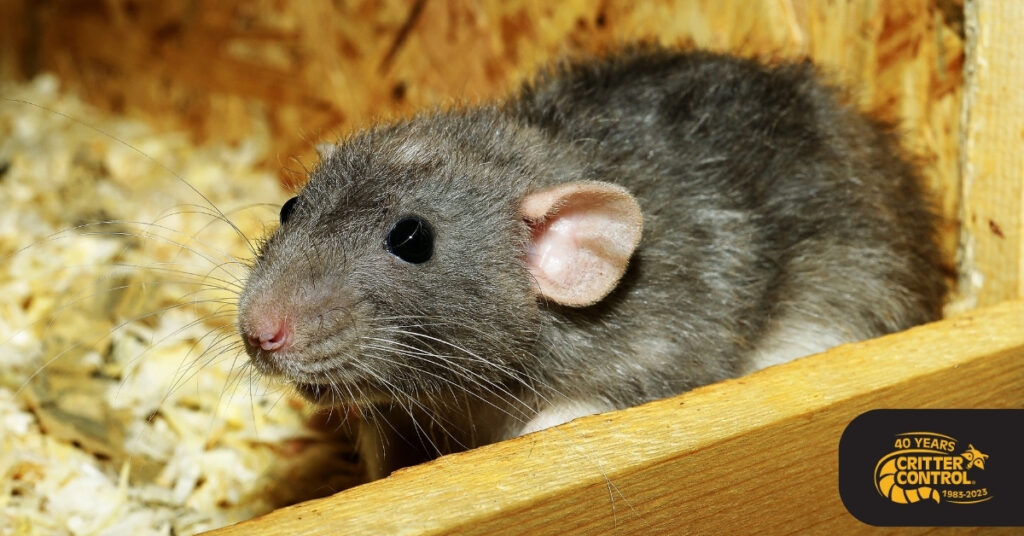
Natural Rat Deterrents vs. Professional Traps: What Works Best?
Many homeowners hope for a humane or low-impact solution. And in mild cases, natural deterrents may help—but they’re not foolproof.
Natural options:
- Peppermint oil – Soaked cotton balls can repel rats temporarily
- Ammonia – Mimics predator urine and can discourage nesting
- Ultrasonic devices – Emit sounds unpleasant to rodents (though effectiveness varies)
- Bay leaves, cayenne pepper, or garlic – Mild repellents that may work in small areas
But once rats are inside, natural methods rarely keep up. That’s when professional-grade traps come in.
More effective options:
- Snap traps – Quick, efficient, and inexpensive
- Electronic traps – Clean and safe for indoor use
- Bait stations – Require expert placement and handling (especially when poisons are involved)
- Live traps – Useful for relocation, but only legal in some areas and often not recommended
Expert Verdict: Use natural deterrents as part of a layered defense. But once you’ve seen signs of infestation, pair exclusion with trapping for the best results.
Long-Term Prevention Tips to Keep Your Home Rat-Free Year-Round
Rats aren’t seasonal—they’ll shelter wherever they find warmth and food. To keep them away permanently, you need to build a fortress they don’t want to invade.
Year-round rat-proofing tips:
- Inspect your home quarterly for gaps, holes, or weak points
- Keep garbage sealed and emptied frequently
- Clean up leaves and clutter outside—rats love nesting in yard debris
- Trim trees and shrubs so they don’t touch your home
- Declutter garages, attics, and sheds to remove nesting materials
- Repair leaks and dry up standing water—rats need hydration too
Make your home a place where rats can’t eat, drink, or hide. That’s the key to long-term success.
Conclusion
So this was all regarding how to stop rats from entering your home. With vigilance, strategy, and the right tools, you can outsmart them—and stop an infestation before it starts. Better call a professional like Critter Control of Polk County. Whether it’s through expert sealing techniques, smarter food storage, or the right combination of traps and deterrents, a rat-free home is well within your reach. Don’t wait until you hear scratching in the walls at 2 a.m. Take action now—and stop rats in their tracks.